There is a moment that every person remembers from their first real fine dining experience. It is not always the food, although the food is extraordinary. It is the feeling. The feeling of walking into a space that was designed with you in mind, of being greeted like you were expected and genuinely welcomed, of sitting down and sensing that for the next few hours, every single detail has been thought about in advance. Fine dining is not about price tags or Michelin stars, although those things often overlap with it. It is about a standard of intentionality that turns a meal into a memory. It is about the rare and deeply human experience of feeling genuinely cared for through food.
The Architecture of a Fine Dining Restaurant
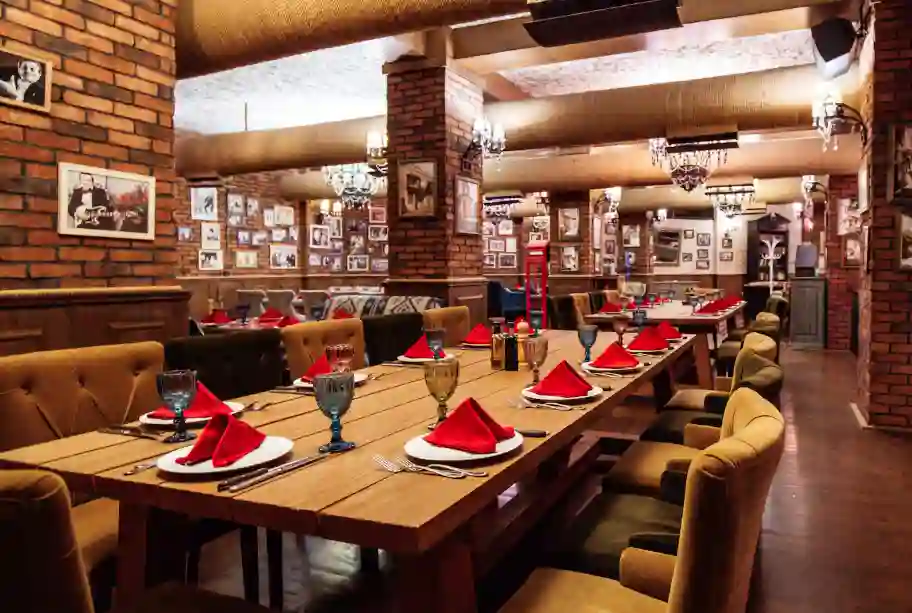
Before a single dish arrives at the table, the environment has already made a statement. Fine dining restaurants are not decorated. They are architected. Every spatial decision, from the ceiling height to the distance between tables, from the acoustic panels hidden behind wall treatments to the carefully calibrated lighting, is made with a single goal in mind: to make the guest feel something. The great restaurant designers of the world understand that the built environment shapes how food tastes. Noise levels affect perceived saltiness. Lighting temperature changes how colors read on a plate. The weight of a chair affects how long a guest feels comfortable sitting. None of this is accidental in a true fine dining space.
Lighting, Sound, and Space as Part of the Experience
Lighting in a fine dining restaurant is typically warm, low, and layered. There is usually ambient light setting the overall mood, accent lighting drawing attention to table settings or art on the walls, and sometimes task lighting subtle enough that guests can read a menu without squinting. The goal is intimacy without darkness, elegance without sterility. Sound is managed just as deliberately. Many high-end restaurants commission acoustic engineering studies before opening because the difference between a room that feels lively and one that feels loud is a matter of sound absorption measured in fractions of a second.
The Culinary Philosophy Behind Fine Dining Menus
A fine dining menu is not a list of dishes. It is a document of philosophy. Every item on it represents a decision about flavor, about season, about technique, and about the story the kitchen wants to tell. Great fine dining restaurants typically work with very short menus because brevity signals confidence. A kitchen that offers eight choices for a main course is telling you it can cook eight things adequately.
Tasting Menus and the Logic of Progression
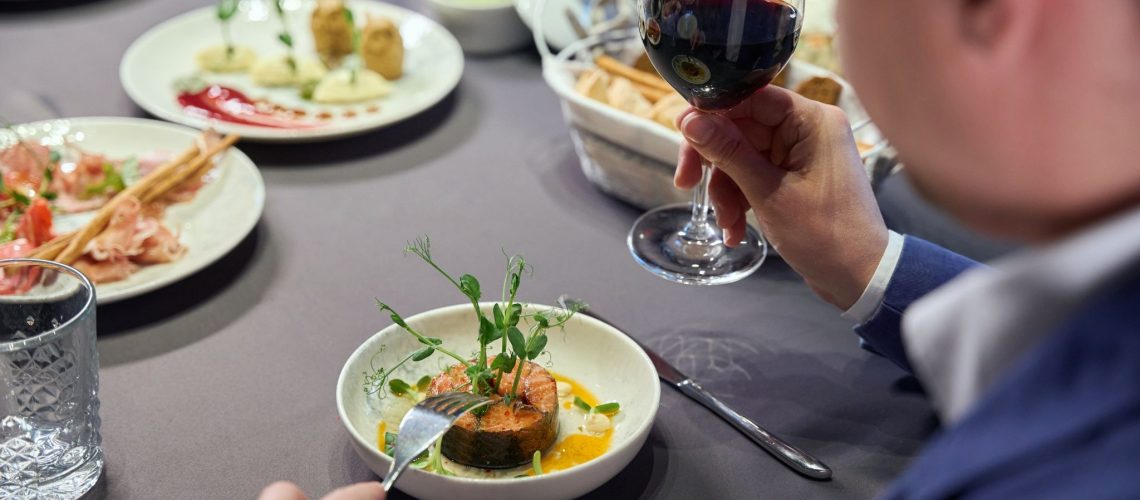
The tasting menu is perhaps the purest expression of fine dining philosophy. Rather than asking guests to make individual choices, the kitchen designs a sequence of courses that build on each other in flavor, texture, temperature, and intensity. A well-constructed tasting menu begins with something delicate and bright, perhaps a single amuse-bouche that wakes up the palate with acidity or freshness. It moves through increasingly complex and rich territory, reaches an emotional peak somewhere in the middle courses, and then gently descends back toward lightness through dessert. This arc is not accidental. It mirrors the emotional rhythm of a great piece of music, and the best fine dining chefs think about their menus in exactly those terms.
Ingredient Sourcing and Why It Defines Quality
The ingredient philosophy of a fine dining kitchen is where the real story begins, long before anything reaches the stove. True fine dining restaurants build relationships with farmers, fishermen, foragers, and producers over years and sometimes decades. They pay more for their ingredients than they need to because they believe the quality of what goes in determines the ceiling of what can come out. A chef working with heritage breed pork raised on a specific diet in a specific climate has a fundamentally different starting point than a chef working with commodity protein.
Service in Fine Dining: The Human Art of Hospitality
Food can be extraordinary and still leave a guest cold if the service fails. In fine dining, service is not a supporting act. It is a co-lead. The front of house team in a serious fine dining restaurant goes through training that rivals what happens in the kitchen. They study the menu deeply enough to answer questions about every ingredient and technique. They learn to read body language, to gauge whether a table wants conversation or quiet, to anticipate needs before they are expressed. This level of attentiveness requires a specific kind of emotional intelligence that cannot be faked or scripted.
The Difference Between Service and Hospitality
Service and hospitality are not the same thing, and the distinction matters enormously in the context of a fine dining experience. Service is the execution of tasks. Hospitality is the feeling those tasks create. A server who clears a plate at precisely the right moment but makes a guest feel observed rather than cared for has delivered service without hospitality. A server who misses a beat on timing but makes a guest feel genuinely at home has delivered hospitality without perfect service. The very best fine dining establishments achieve both, but if forced to choose, every great restaurateur from Danny Meyer to Alain Ducasse will tell you that hospitality is the irreplaceable one. Service can be trained to a standard. Hospitality has to be cultivated in a culture.
The Role of Emotion and Memory in Fine Dining
This is the element that separates fine dining from excellent cooking. Any skilled chef can produce technically perfect food. But the restaurants that guests return to year after year, the meals that people describe decades later with the same emotional clarity they had the night of, those experiences do something beyond feeding the body. They create memory. They tap into something emotional and sometimes something deeply personal. A dish that references a chef’s childhood, described with genuine vulnerability on a menu, has the potential to open an unexpected conversation with a guest’s own memory. A dessert that arrives with the exact flavors of something a guest’s mother made creates a connection that no amount of technical brilliance could manufacture.
How Great Chefs Use Storytelling Through Food
The chefs who define their generation are almost always great storytellers. René Redzepi at Noma built an entire culinary movement around the story of the Nordic landscape, its forested floors, its coastlines, its fermentation traditions. Heston Blumenthal at The Fat Duck makes nostalgia edible, creating dishes that deliberately trigger childhood sensory memories. Massimo Bottura at Osteria Francescana tells the story of Italian culture, history, and even political events through food in ways that make people feel proud of something they may have taken for granted. These chefs understand that a guest at a fine dining table is not just hungry. They are open. They are in a receptive emotional state, and great food can reach them in ways that few other experiences can.
What Separates Good Restaurants From Truly Great Ones
There are hundreds of restaurants in the world that are technically excellent. The food is cooked with skill, the service is professional, the setting is attractive. But the restaurants that achieve genuine greatness, the ones that shape culture and define what fine dining means for a generation, do something more. They have a point of view. They stand for something beyond good cooking. They have a reason for existing that goes beyond commerce, and that reason is felt in every detail from the way the door opens to the way the final petit four arrives at the end of the evening.
Consistency as the Ultimate Test
Consistency is perhaps the most underappreciated virtue in fine dining. Any kitchen can have a great night. The question that separates good restaurants from great ones is whether they can replicate that experience across hundreds of covers, across years of operation, across staff changes and supplier disruptions and the inevitable pressure of sustained public attention. The restaurants that hold their standards through all of that develop a kind of institutional knowledge and cultural discipline that becomes their greatest asset. Guests return to those restaurants not just because they had a great meal once but because they trust they will have a great meal again, and that trust is the rarest currency in the restaurant business.
Final Thoughts
French cuisine did not become the world’s most influential culinary tradition by accident. It got there through centuries of passion, precision, and an unshakeable belief that food is worth taking seriously. Every technique that chefs around the world use today, every sauce that gets built from a carefully made stock, every menu that changes with the seasons, every kitchen that operates with discipline and mise en place, carries the fingerprints of French culinary culture somewhere in its DNA.
What makes French cuisine uniqueness so enduring is not that it is frozen in time. It is that it keeps evolving while remaining rooted in something real. The young chefs reinterpreting classical French dishes with global influences are not betraying their tradition. They are honoring it by doing exactly what the great French chefs before them did, which is pushing the craft forward without abandoning its soul.