
Choosing where to dine at a fine dining level is rarely a casual decision. It carries expectations of excellence, emotional investment, and often a significant financial commitment. Diners are no longer simply searching for good food; they are seeking an experience that feels intentional, memorable, and worth revisiting. The challenge, however, lies in identifying which restaurants genuinely deliver on that promise and which merely rely on appearance or reputation.
The modern dining landscape is saturated with options. Social media showcases visually stunning dishes, review platforms amplify opinions, and award systems create hierarchies that may not always reflect personal preferences. For a beginner or even a seasoned diner in a new city, navigating this environment can feel overwhelming.
The key to confidently selecting the best fine dining restaurants lies in developing a framework of evaluation. This framework goes beyond surface impressions and allows you to assess quality through subtle but reliable indicators. Once you understand these markers, every choice becomes more deliberate and rewarding.
Reframing Fine Dining: From Formality to Experience Design
Fine dining today is not confined to rigid traditions. While classic elements such as attentive service and elegant presentation remain important, the definition has expanded to include creativity, storytelling, and emotional engagement.
How Modern Fine Dining Has Redefined Expectations
In earlier decades, fine dining was synonymous with strict etiquette and formal environments. Today, many top-tier restaurants have shifted toward a more relaxed yet sophisticated approach. This evolution reflects a deeper understanding of what diners truly value: authenticity, comfort, and a sense of connection. Restaurants now focus on crafting narratives through their menus. A meal may represent a region, a season, or even a personal journey of the chef. This narrative element transforms dining into an immersive experience, where each course contributes to a larger story. For diners, this shift means that evaluating a restaurant requires more than observing its decor or pricing. It requires understanding its intent and how effectively it communicates that intent through food and service.
Why Price Alone Is a Misleading Indicator
It is a common misconception that higher prices automatically equate to better quality. While fine dining often involves premium ingredients and skilled labor, price can also be influenced by factors such as location, branding, and exclusivity. A truly exceptional restaurant justifies its pricing through consistency and depth of experience. Every element, from the first interaction with staff to the final course, should feel cohesive and purposeful. Learning to identify this alignment helps diners avoid being misled by superficial markers of luxury.
Pre-Visit Intelligence: Researching Like a Seasoned Diner
Experienced diners rarely rely on chance. They approach restaurant selection with a combination of curiosity and critical thinking.
Decoding Reviews with a Critical Eye
Online reviews can be valuable, but they must be interpreted with nuance. A high rating does not always reflect consistency, and a single negative review does not necessarily indicate a problem.
The most useful reviews are those that provide detailed observations. Look for comments that describe specific aspects such as flavor balance, service attentiveness, or pacing between courses. Patterns in these details often reveal the true strengths and weaknesses of a restaurant. It is also important to recognize the subjectivity of taste. What one diner perceives as overly complex, another may appreciate as innovative. Filtering reviews through your own preferences ensures that your expectations remain aligned with your eventual experience.
Analyzing Menus as a Window into the Kitchen
A menu is more than a list of dishes; it is a reflection of the chef’s philosophy and the restaurant’s identity. A well-designed menu demonstrates balance, clarity, and intentionality. Pay attention to how dishes are described. Overly complicated descriptions may signal an attempt to impress rather than to communicate. In contrast, concise descriptions often indicate confidence in the ingredients and techniques. Seasonality is another important factor. Restaurants that adapt their menus based on available ingredients tend to deliver fresher and more vibrant flavors. This adaptability is a strong indicator of culinary commitment.
The Anatomy of an Exceptional Fine Dining Experience
The difference between a good restaurant and one of the best fine dining restaurants lies in the integration of multiple elements working seamlessly together.
Ambiance: Setting the Emotional Tone
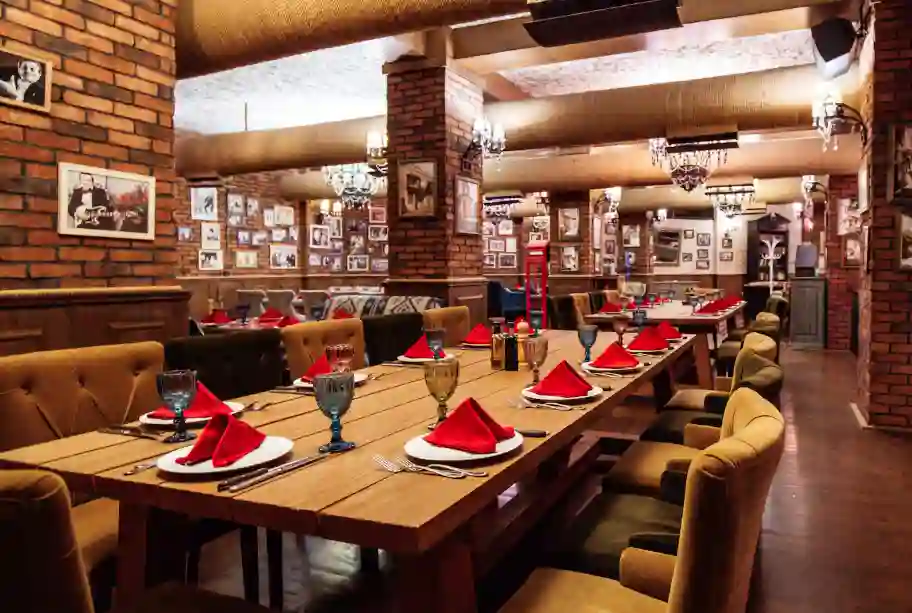
Ambiance is not merely about aesthetics. It shapes how you feel throughout the meal. Lighting, acoustics, and spatial arrangement all contribute to the atmosphere. A well-designed space enhances the dining experience without distracting from it. It allows conversation to flow naturally and creates a sense of comfort that encourages you to fully engage with the meal.
Service: The Invisible Art
Service in fine dining is a delicate balance. It should be attentive but not intrusive, knowledgeable but not overwhelming. The best service feels intuitive, as if the staff anticipates your needs before you express them. This level of service requires training, coordination, and genuine hospitality. It is often the defining factor that elevates a meal from enjoyable to memorable.
Culinary Execution: Precision and Creativity
At the heart of fine dining lies the food itself. Exceptional dishes demonstrate precision in technique and clarity in flavor. Ingredients should be treated with respect, allowing their natural qualities to shine. Creativity plays an important role, but it must be grounded in purpose. Innovation without coherence can feel disjointed, while thoughtful creativity enhances the overall experience.
Reputation, Recognition, and Their Limitations
Reputation can guide your choices, but it should not dictate them entirely.
Awards as Indicators, Not Guarantees
Awards and accolades often reflect a restaurant’s achievements, but they are not infallible indicators of current quality. Changes in staff, management, or concept can alter the dining experience over time. Use recognition as a starting point for exploration rather than a definitive measure of excellence.
Exploring Beyond the Obvious Choices
Some of the most rewarding dining experiences come from lesser-known establishments. These restaurants may not have widespread recognition, but they often offer unique perspectives and personalized service. Balancing well-known destinations with hidden gems allows you to experience a broader spectrum of what your city has to offer.
Aligning Your Choice with the Occasion
A successful dining experience depends on how well the restaurant aligns with your purpose.
Creating the Right Atmosphere for Each Occasion
Different occasions require different environments. A romantic dinner benefits from intimacy and subtlety, while a celebration may call for energy and vibrancy. Understanding these nuances ensures that your choice enhances the significance of the event.
Professional Dining Considerations
In business settings, factors such as privacy, noise levels, and service efficiency become critical. A restaurant that facilitates conversation and maintains a professional atmosphere is essential for such occasions.
Practical Considerations That Influence the Final Decision
Even the most exceptional restaurant can fall short if practical aspects are overlooked.
-
Reservation systems and availability often indicate how well a restaurant manages demand and guest flow
-
Timing your visit strategically can affect both service quality and overall ambiance
-
Dietary flexibility reflects the kitchen’s adaptability and attention to guest needs
-
Evaluating value requires considering the entire experience rather than focusing solely on cost
These considerations ensure that your experience is not only enjoyable but also seamless from start to finish.
Conclusion
Choosing the best fine dining restaurants is not about following a fixed formula. It is about understanding the interplay of elements that create a memorable experience. From ambiance and service to culinary execution and personal preference, each factor contributes to the overall impression.
By approaching the process with curiosity, attention to detail, and a willingness to explore, you can elevate your dining choices. Each restaurant becomes an opportunity to experience something unique, to learn something new, and to create moments that linger long after the meal is finished.
In the end, fine dining is not defined by luxury alone. It is defined by intention, craftsmanship, and the ability to transform a simple act of eating into an artful and memorable experience.
FAQs
How do I know if a fine dining restaurant is worth the price?
A restaurant is worth its price when the entire experience feels cohesive and thoughtfully executed. This includes high-quality ingredients, skilled preparation, attentive service, and a comfortable atmosphere. Evaluating all these elements together provides a clearer picture of value than focusing on cost alone.
Is it better to follow reviews or personal recommendations?
Both have value, but they serve different purposes. Reviews provide a broad perspective, while personal recommendations offer tailored insights. Combining both allows you to make more informed decisions while still aligning with your preferences.
Can casual-looking restaurants still be considered fine dining?
Yes, modern fine dining often blends casual aesthetics with high-level culinary execution. The essence of fine dining lies in quality, technique, and service rather than strict formality. A restaurant can appear relaxed while still delivering an exceptional and refined experience.