
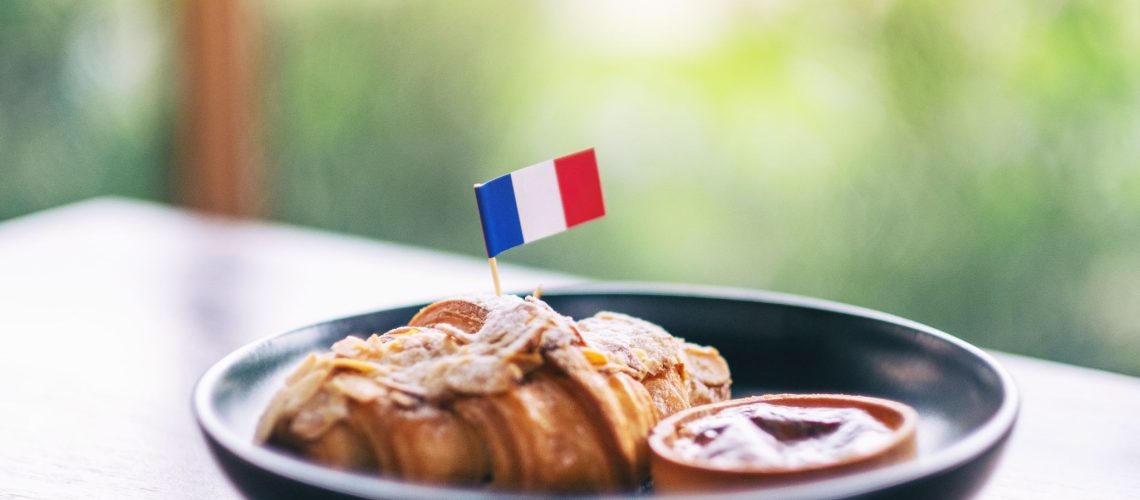
Few culinary traditions carry the emotional weight and global admiration of french cuisine. It is rich, indulgent, and deeply rooted in culture. Butter, cream, wine, and technique come together to create dishes that feel like art. Yet in a world increasingly focused on wellness, a question arises naturally. Can such a luxurious cuisine be adapted for healthy eating without losing its essence?
The answer is not as simple as removing ingredients or cutting calories. French cuisine is not just about richness. It is about balance, technique, and respect for ingredients. When understood properly, it offers surprising flexibility. It can evolve while staying true to its roots.
This article explores how french cuisine can be thoughtfully adapted to meet modern health preferences while preserving its soul, flavor, and timeless appeal.
Understanding the Philosophy Behind French Cooking
To adapt french cuisine, one must first understand what defines it. It is not only about heavy sauces or elaborate meals. It is about precision, simplicity in presentation, and respect for quality ingredients.
French cooking values technique over excess. A dish is not meant to overwhelm but to satisfy. This philosophy creates a strong foundation for healthier adaptations. When technique is prioritized, flavor does not rely solely on fat or sugar.
This perspective shifts the conversation. Instead of asking what to remove, we begin to ask how to refine.
The Misconception of French Cuisine as Unhealthy
French cuisine is often associated with indulgence. Rich sauces, buttery pastries, and decadent desserts dominate the global perception. However, this is only part of the story.
Many traditional French meals are balanced and portion-controlled. Meals are often structured with fresh vegetables, lean proteins, and moderate servings. The emphasis on quality over quantity naturally supports a healthier approach.
This balance explains why French eating habits have long intrigued nutrition experts. It is not about restriction. It is about mindful enjoyment.
Reimagining Ingredients Without Compromising Flavor
One of the most effective ways to adapt french cuisine is by rethinking ingredients while respecting the original dish.
Smarter Substitutions That Preserve Taste
Instead of removing richness entirely, small adjustments can create a healthier version without losing depth.
-
Using olive oil instead of excessive butter for cooking
-
Incorporating yogurt-based sauces as lighter alternatives to cream
-
Choosing lean cuts of meat without sacrificing preparation techniques
These substitutions maintain the integrity of the dish while reducing unnecessary heaviness.
Fresh and Seasonal Ingredients as a Core Principle
French cuisine already emphasizes seasonal produce. Leaning into this tradition naturally enhances nutritional value. Fresh vegetables, herbs, and high-quality proteins bring flavor without the need for excess fats.
Cooking Techniques That Support Healthy Eating
Technique is where french cuisine truly shines. It offers multiple ways to enhance flavor without relying on unhealthy methods.
Grilling, Poaching, and Steaming
These methods preserve nutrients and reduce the need for added fats. They also highlight the natural flavors of ingredients.
Reducing Instead of Overloading
-
Using reduction techniques to intensify flavors
-
Building depth through herbs and spices
-
Avoiding unnecessary additions that dilute authenticity
These approaches align perfectly with modern health-conscious cooking.
Portion Control: The Hidden Strength of French Dining
One of the most overlooked aspects of french cuisine is portion control. Meals are designed to be satisfying, not excessive.
Smaller portions encourage mindful eating. They allow individuals to enjoy rich flavors without overconsumption. This balance is a key factor in adapting French dishes for healthier lifestyles.
Rather than eliminating indulgence, portion control redefines it. It transforms eating into an experience rather than a habit.
Modern Interpretations of Classic French Dishes
Adapting french cuisine does not mean abandoning tradition. It means reinterpreting it for contemporary needs.
Lightened Versions of Iconic Recipes
Dishes like Ratatouille naturally align with healthy eating due to their vegetable base. Others, such as Coq au Vin, can be modified by reducing fat and focusing on leaner preparation.
Balancing Tradition with Innovation
-
Maintaining traditional cooking methods
-
Adjusting ingredient proportions for better nutrition
-
Preserving the essence of the dish while enhancing its health value
This balance ensures that the cultural identity of the cuisine remains intact.
The Role of Lifestyle in French Eating Habits
French cuisine cannot be separated from the lifestyle that surrounds it. Eating is not rushed. It is intentional and social.
Meals are enjoyed slowly, allowing the body to recognize fullness. This reduces overeating and enhances satisfaction.
This lifestyle approach is just as important as the food itself. It supports healthier habits without strict restrictions.
Expert Insight: How Chefs Approach Healthier French Cuisine
Professional chefs often emphasize that the key to healthy french cuisine lies in technique and balance. They focus on enhancing natural flavors rather than masking them with heavy ingredients.
One important recommendation is to respect the structure of the dish. Instead of altering it completely, small adjustments can create significant improvements.
Another insight is the importance of quality. High-quality ingredients require less manipulation, resulting in cleaner and healthier dishes.
Experts also highlight the value of moderation. Enjoying rich foods occasionally, rather than eliminating them entirely, creates a sustainable approach to healthy eating.
Common Mistakes When Trying to “Healthify” French Food
Many attempts to make french cuisine healthier fail because they remove too much. Eliminating key ingredients without understanding their role can lead to bland and unsatisfying results.
Another common mistake is ignoring technique. Simply reducing fat does not guarantee a better dish. Flavor must be rebuilt through other methods.
Overcomplicating recipes can also be counterproductive. Simplicity often leads to better outcomes.
Understanding these pitfalls helps in creating adaptations that are both healthy and enjoyable.
Emotional Connection: Food, Memory, and Balance
Food is deeply emotional. French cuisine, in particular, carries a sense of nostalgia and tradition. It connects people to memories, culture, and identity.
Adapting it for health should not strip away this emotional value. Instead, it should enhance it by making the cuisine more accessible and sustainable for modern lifestyles.
When balance is achieved, food becomes more than nourishment. It becomes an experience that supports both body and mind.
The Future of French Cuisine in a Health-Conscious World
As global awareness of health grows, cuisines around the world are evolving. French cuisine is no exception.
Modern chefs and home cooks are finding ways to blend tradition with innovation. They are creating dishes that honor the past while embracing the future.
This evolution ensures that french cuisine remains relevant. It continues to inspire while adapting to changing needs.
FAQs
1. Can french cuisine be healthy for everyday meals?
Yes, by focusing on fresh ingredients, balanced portions, and lighter cooking techniques, french cuisine can be adapted for regular healthy eating without losing flavor.
2. What are the healthiest French dishes?
Dishes like Ratatouille or grilled fish with herbs are naturally healthy, as they rely on vegetables, lean proteins, and simple preparation methods.
3. How can I reduce calories in French recipes?
You can reduce calories by using less butter, choosing lean meats, and incorporating more vegetables while maintaining traditional cooking techniques for flavor.